Research Collaboration Across Borders: Fair Partnerships Between Universities
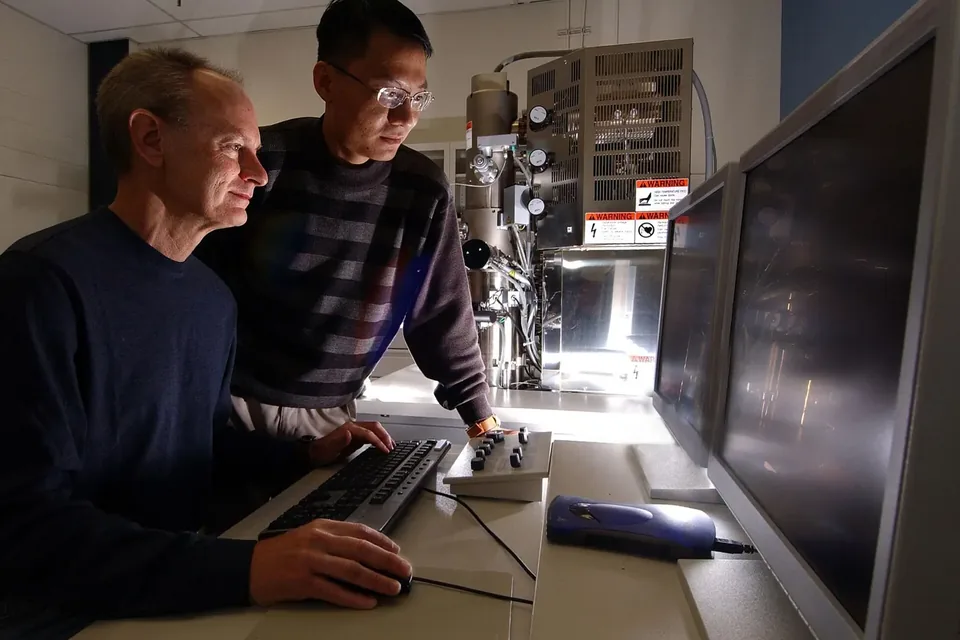
International co-authorship has grown steadily for decades, and many of the most important questions in health, agriculture and climate can only be studied with partners on the ground. But research partnerships between rich and poor institutions have a long history of imbalance, sometimes called "helicopter" or "parachute" research. This guide covers the practical and ethical building blocks of a fair collaboration.
Why collaborate, and why it can go wrong
Partnerships give researchers access to sites, populations, data, expertise and equipment they do not have alone, and joint work is often more widely cited. For institutions in low-income countries, they can bring funding, training and international visibility. The risk is that the partnership reproduces inequalities: the research question is set abroad, samples and data leave the country, local scientists collect data but are left off the papers, and nothing remains when the grant ends. Funders, journals and research integrity bodies have responded with guidance that is now widely cited.
The partnership agreement
Most universities require a memorandum of understanding (MOU) for a general relationship and a more detailed research collaboration agreement for each project. A good agreement covers:
- Objectives and roles: who leads what, and how decisions are made.
- Budget: what share of funds is managed by each institution, including overheads and salaries for local staff.
- Data: where data are stored, who can access them, and under which national data protection rules.
- Samples and materials: whether biological samples may leave the country, under what material transfer agreement, and what happens to them afterwards.
- Intellectual property: ownership of inventions and how any benefits will be shared.
- Publication and authorship: how papers are planned, reviewed and credited.
- Capacity-building: training, equipment that stays, and student supervision.
Ethics approval in both countries
Research with human participants needs approval from an ethics committee at the institution or in the country where it is carried out, as well as at the funding or sponsoring institution. National rules differ, and some countries require additional permits from a ministry or national research council, particularly for health research, fieldwork in protected areas or the export of samples. The World Health Organization and national research councils publish guidance on international health research ethics. Allow several months for approvals in the project timeline.
Authorship and credit
Many journals follow the criteria of the International Committee of Medical Journal Editors (ICMJE), under which authors must contribute substantially to the work, help draft or revise it, approve the final version and accept accountability. Fair partnerships go further: they plan papers jointly, make sure researchers from the country where the work took place are among the lead or senior authors where they qualify, and support them to present results. Some journals now ask authors of studies conducted in other countries to explain how local researchers were involved.
Three frameworks worth knowing
| Framework | Date | What it covers |
|---|---|---|
| Nagoya Protocol on Access and Benefit-sharing | Adopted 2010, in force 2014 | Under the Convention on Biological Diversity, research using genetic resources needs prior informed consent from the provider country and mutually agreed terms on sharing benefits |
| TRUST Global Code of Conduct for Research in Resource-Poor Settings | 2018 | Short articles on fairness, respect, care and honesty, aimed at preventing "ethics dumping" |
| Cape Town Statement on Fostering Research Integrity through Fairness and Equity | From the 2022 World Conference on Research Integrity | Recommendations on equitable partnerships for funders, institutions, researchers and publishers |
Training and co-supervision
Research partnerships are one of the main routes by which doctoral training happens across borders. Common models include co-supervised doctorates, in which a student is registered at the home university with a second supervisor abroad; "sandwich" programmes, in which the student spends periods at the partner institution; and joint or double degrees, which require formal agreements between universities and approval by national authorities. Keeping students registered at home and returning them to their own institutions is one way partnerships try to avoid contributing to brain drain.
Practical checklist before you start
- Agree the question together. Is it a priority for the partner country and institution?
- Map approvals. List every ethics committee, permit and export licence needed, and who will obtain each.
- Share the budget fairly. Local salaries, overheads and equipment should be in the plan, not added later.
- Write a data and samples plan. Storage, access, transfer, retention and return.
- Plan publications. A list of expected papers and provisional lead authors, reviewed as the project goes.
- Plan the end. What stays with the partner: equipment, data, trained staff, ongoing links.
To judge whether a partnership delivered, see how to evaluate a university partnership.
Funding that reaches the partner
How money flows shapes who leads. When a grant is awarded to a high-income institution, which then subcontracts its partners, the lead institution usually controls the budget, recovers overheads and sets priorities. Several funders now allow, or encourage, direct awards to institutions in low- and middle-income countries, and expect partner institutions to receive fair overheads that cover the real costs of research administration. Strong research management offices, able to handle grants, ethics, finance and contracts, are therefore part of research capacity, and building them is a legitimate goal for a partnership.
Sources
- Convention on Biological Diversity, Nagoya Protocol.
- TRUST, Global Code of Conduct for Research in Resource-Poor Settings.
- World Conferences on Research Integrity, Cape Town Statement.
- International Committee of Medical Journal Editors, Recommendations (authorship criteria).
- World Health Organization, research ethics: who.int.
 Partnerships
How to evaluate a university partnership
The six OECD criteria, a results chain, indicators that mean something and the traps that make partnership reports look better than they are.
 Partnerships
Agricultural university partnerships
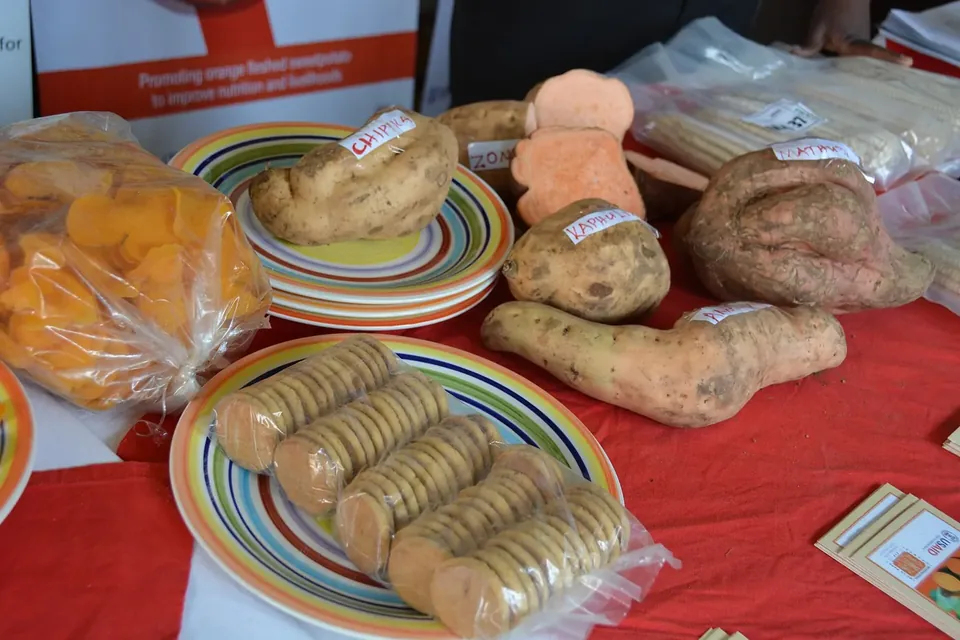
Land-grant colleges abroad, Title XII consortia and Innovation Labs: why farming has been the heart of university partnerships.
 Trends & data
Brain drain or brain circulation?
Why graduates leave, what their countries lose and gain, the WHO code on health workers, and how diaspora links are changing the debate.